

TrainPoint Institute News
Data Analytics Training for Companies: Build a Data-Literate Workforce
Build a data-literate workforce with customised corporate data analytics training. Help employees develop practical skills in data analysis, reporting, Excel and Power BI to make better business decisions.
TrainPoint Institute · November 26, 2026 · 3 min read
Tags: Data Analytics

Data Analytics Training Course and Certification in Dubai
Businesses generate large amounts of data every day, but are employees using it to make better decisions? From sales reports and customer feedback to financial performance and operational data, understanding information is becoming an essential workplace skill.
Data analytics training helps companies move employees beyond collecting numbers and start using data to solve business problems, identify trends, and improve performance.
The goal is not to turn every employee into a data scientist. It is to build a data-literate workforce where managers, team leaders, and employees across departments can understand reports, interpret information, and make decisions with confidence.
For organizations in the UAE, investing in corporate data analytics training can help teams boost productivity, reduce reporting errors, and use business information more effectively.
Why Do Companies Need Data Analytics Training?
Many organizations have access to dashboards, spreadsheets, and reporting tools. However, having access to data does not automatically mean employees know how to use it.
Consider a sales manager reviewing monthly revenue figures. Instead of simply checking whether sales increased or decreased, they should be able to identify which products are performing well, understand customer buying patterns, and recognize areas that need attention.
This is where data analytics training adds real value.
It helps employees develop practical data skills to:
Interpret business reports and performance dashboards.
Identify trends, patterns, and unusual results.
Understand key performance indicators (KPIs).
Analyze sales, financial, and customer information.
Make evidence-based decisions rather than assumptions.
Present findings clearly to management.
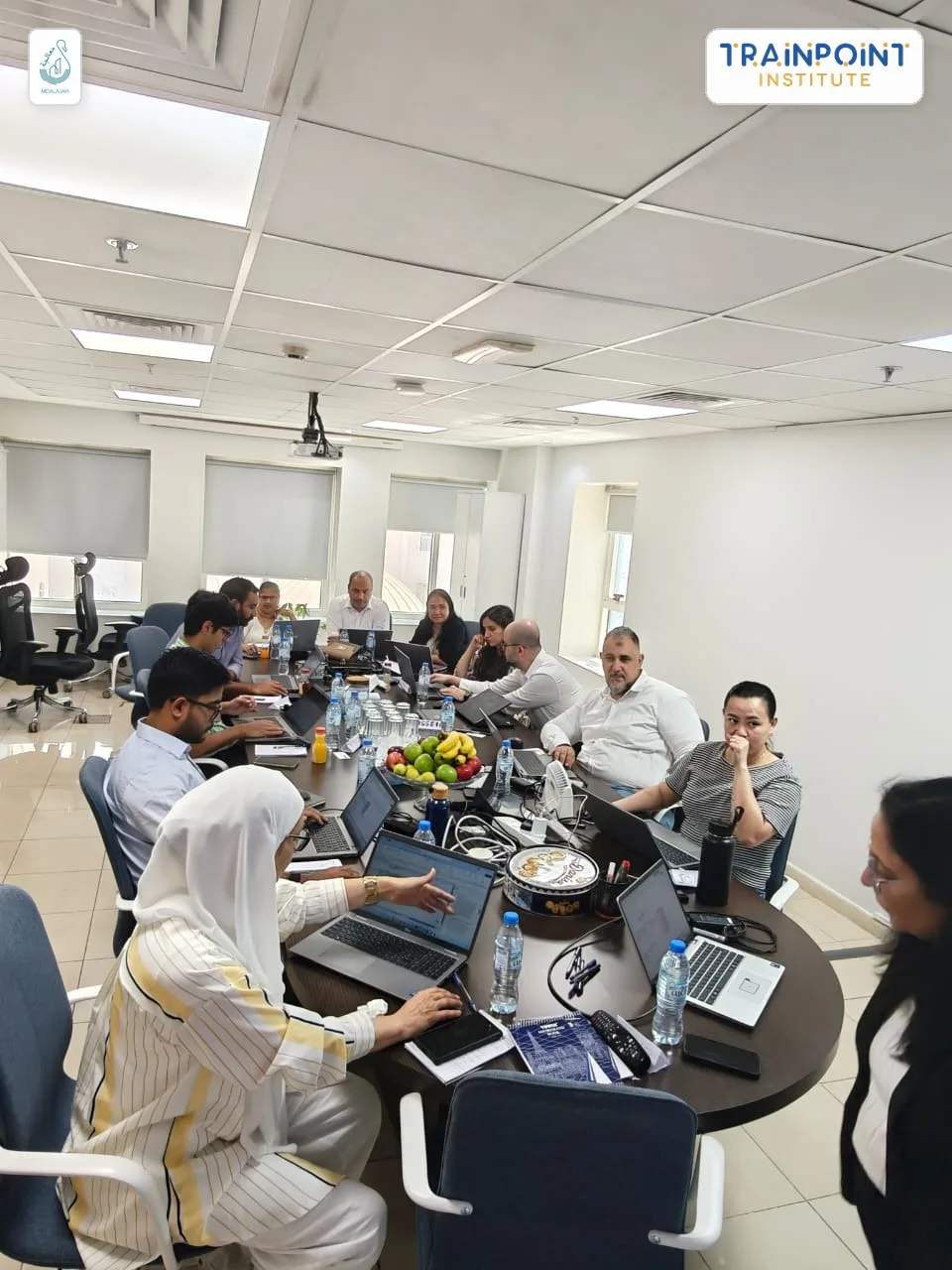 Get Course Details
How Does Corporate Data Analytics Training Benefit Different Departments?
Data analysis is not limited to finance or IT teams. Every department works with information that can support better decisions.
A structured corporate program helps employees understand how to apply analytics within their own responsibilities.
Department | Practical application of data analytics |
Human Resources | Analyze employee turnover, recruitment and workforce performance |
Sales and Marketing | Track sales trends, campaign results and customer behavior |
Finance | Review budgets, expenses and financial performance |
Operations | Identify process delays, resource gaps and operational inefficiencies |
Customer Service | Evaluate customer feedback, complaints and service performance |
Management | Monitor KPIs and make informed business decisions |
This department-focused approach makes corporate data analytics training more relevant because employees learn through examples connected to their actual work.
What Skills Should Employees Develop Through Data Analytics Training?
The right program should focus on practical workplace applications rather than theory alone.
Data skills for employees may include:
Data collection, cleaning, and organization.
Excel-based data analysis and reporting.
Understanding charts, graphs, and dashboards.
Descriptive and basic predictive analytics.
KPI tracking and performance measurement.
Identifying trends and interpreting business results.
Communicating insights through reports and presentations.
Depending on employee experience, organizations can also introduce tools such as Microsoft Excel, Power BI, and other business intelligence platforms.
How Can Companies Build a Data-Literate Workforce?
A stronger approach is to develop data skills across departments. Managers should understand performance dashboards, sales teams should interpret customer trends, and HR professionals should be comfortable reviewing workforce reports.
Data analytics training for companies can support this transition through a structured learning approach:
1. Assess existing skills: Understand how different departments currently collect, manage, and use data.
2. Identify training requirements: Define the analytics skills employees need for their roles.
3. Provide practical learning: Use business scenarios, spreadsheets, reports, and dashboards.
4. Encourage workplace application: Ask employees to apply their learning to actual business tasks.
5. Measure improvement: Review reporting quality, decision-making, and employee confidence after training.
The objective is simple: make data analysis part of everyday business activities, not a skill limited to a specialist team.
How Do You Choose the Right Business Analytics Course for Your Employees?
A suitable business analytics course should match your organization's objectives, employee skill levels, and industry requirements.
Before selecting a program, consider:
- Training level: Do employees need beginner, intermediate, or advanced analytics skills?
- Department requirements: Will the training cover finance, HR, sales, operations, or multiple departments?
- Software tools: Does the program include Excel, Power BI, or other relevant tools?
- Practical exercises: Will participants work with realistic business datasets?
- Training format: Would on-site or online sessions suit your teams?
For companies operating across the UAE, customized corporate programs can help employees learn using examples that reflect their business operations.
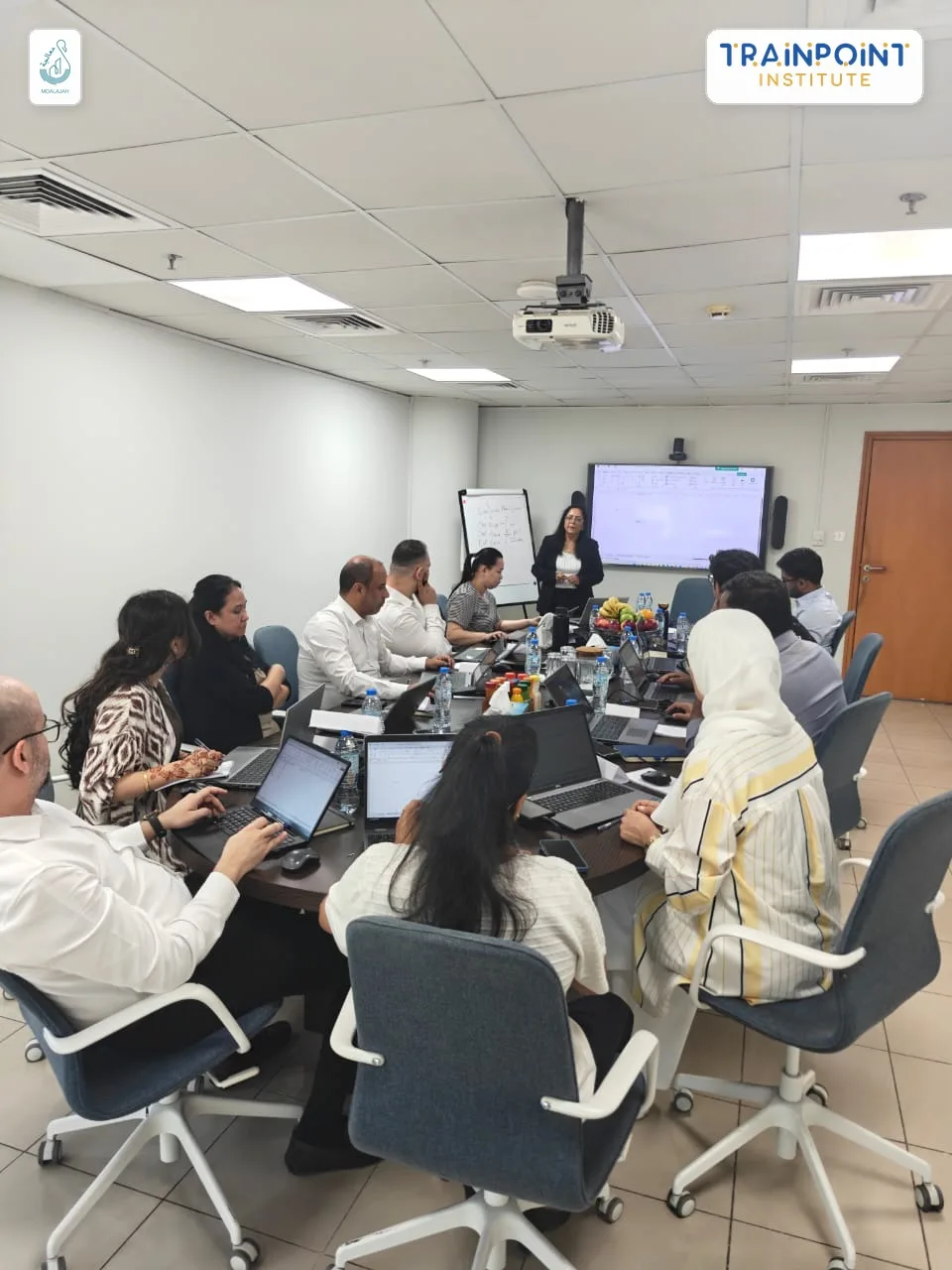
Why Invest in Corporate Data Analytics Training in the UAE?
Organizations need employees who can understand business information and turn it into meaningful action.
A company-wide approach to data analytics training builds shared capabilities, improves cross-department collaboration, and reduces dependence on a small group of specialists.
Rather than treating analytics as an isolated technical function, businesses can make data literacy part of their workforce development strategy.
Request a Data Analytics Training ProposalBuild a workforce that understands data, interprets business performance, and makes informed decisions.
Train Point Institute offers corporate training solutions designed around your organization's learning needs. We can customize training for different departments, employee skill levels, and business objectives, with on-site, online, and hybrid delivery options.
Request a data analytics training proposal to discuss your team's requirements, preferred training format, and learning objectives.
FAQs
Q1. What is data analytics training for companies?
A structured training program that helps employees collect, interpret, analyze, and present business data. It develops practical skills that support reporting, performance monitoring, and workplace decision-making.
Q2. Who should attend corporate data analytics training?
Managers, team leaders, finance professionals, HR teams, sales executives, marketing employees, and operations staff can benefit. The program can be adapted to different job roles and experience levels.
Q3. Do employees need prior data analytics experience?
Not necessarily. Beginners can start with data organization, Excel, and basic reporting before progressing to dashboards, business intelligence, and more advanced analytical techniques.
Q4. Which tools does corporate data analytics training cover?
Depending on the program objectives, training may include Microsoft Excel, Power BI, dashboard development, data visualization, and business reporting techniques.
Q5. Can data analytics training be customized for different departments?
Yes. Corporate programs can be customized using department-specific examples, practical exercises and relevant business scenarios to make the learning more useful.
Q6. Can companies arrange onsite data analytics training?
Yes. Organizations can enquire about customized onsite, online, or hybrid training arrangements based on employee numbers, department requirements, and preferred schedules.
← All articles · Contact the team
Related articles
-
 TrainPoint Institute News
Why UAE Travel and Tourism Businesses Need Customer Experience Training
How KHDA-approved customer experience training helps UAE travel and tourism businesses improve guest satisfaction, communication, and service quality.
-
 TrainPoint Institute News
Advanced Excel Training for Employees: Build Practical Data Skills for the Workplace
Help your employees master advanced Excel formulas, macros, dashboards, and data analysis. Explore practical corporate Excel training designed around workplace requirements.
-
 TrainPoint Institute News
AI Training for Employees: Build a Skilled and Future-Ready Team
Help your team build practical workplace skills with AI training. Explore a customized corporate program designed for today's changing workplace.