TrainPoint Institute News
Supply Chain Management & Procurement Training in UAE
How Supply Chain Management & Procurement Training in the UAE can help professionals improve purchasing decisions, optimize inventory, streamline logistics, and build stronger supplier relationships.
Train Point Institute · October 23, 2026 · 3 min read
Tags: Supply Chain Management Course
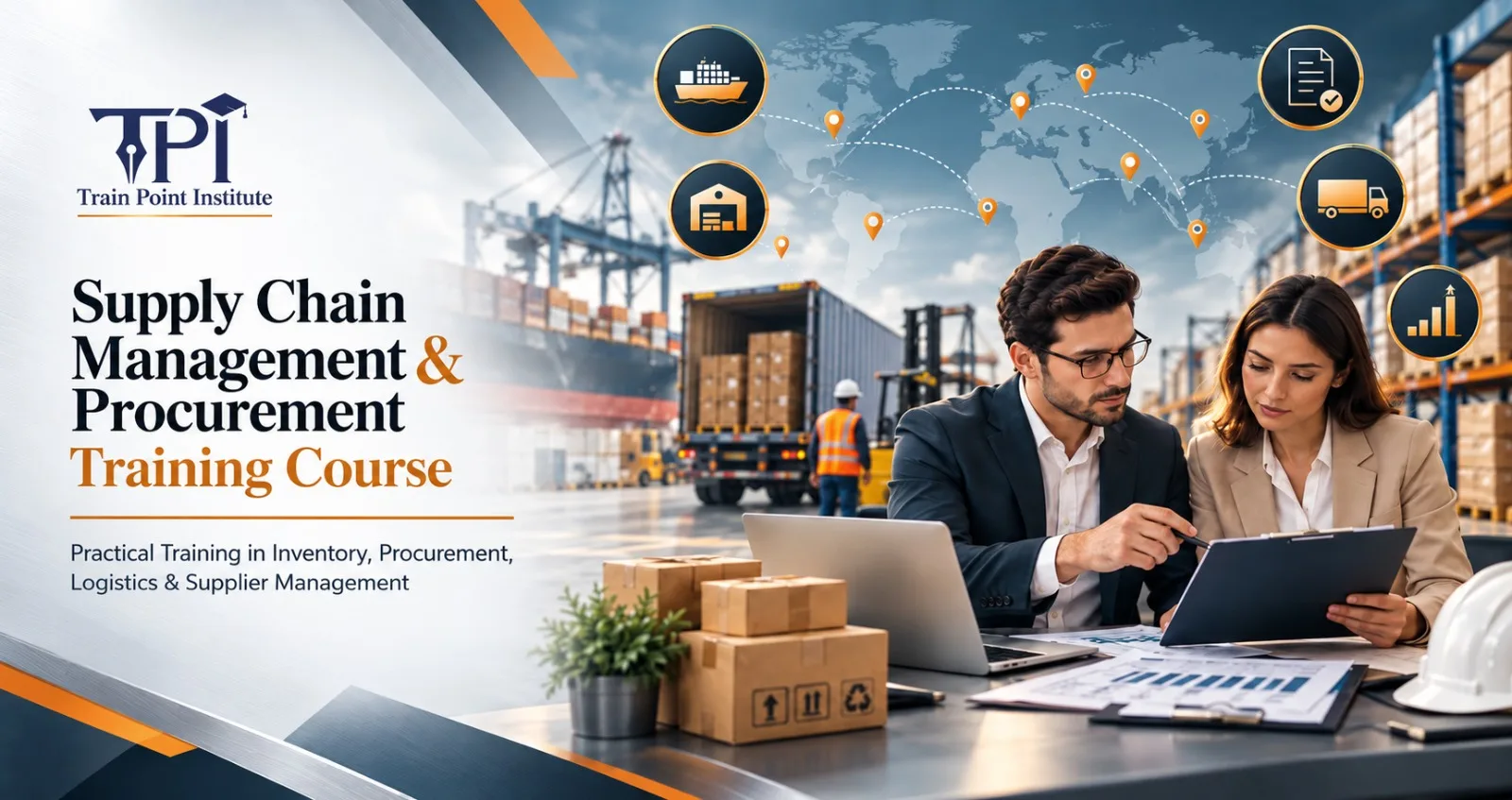
Supply Chain Management & Procurement Training in UAE:
A consignment arrives late. The warehouse runs out of a product that is in demand. A supplier suddenly increases the price. All remarkably familiar, really?
These day-to-day problems can quickly become costly when a team relies on disparate information. That is why supply chain management is not simply about getting the product from A to B. It is about making the right decisions at the right time to keep small issues from escalating into major ones.
For those looking to develop these skills, Supply Chain Management & Procurement Training in the UAE offers a practical way to understand how purchasing, inventory, logistics, and supplier management work together.
Why These Skills Matter in the UAE
The UAE links businesses, suppliers, and customers across international markets. If you are in retail, construction, manufacturing, or distribution, one delayed delivery can affect multiple departments.
Good supply chain planning keeps the right stock available, prevents unnecessary spend, and lets you react when plans change.
Procurement is just as important. Buying at the lowest price doesn't necessarily mean the best value. Consider delivery reliability, product quality, payment terms, and supplier performance.
Four Skills Worth Building
1. Smarter Inventory Decisions
Too much stock ties up your cash. Too little and you risk lost sales. Understanding demand forecasting, safety stock, reorder points, and inventory optimization means finding that sensible middle ground.
2. Better Procurement and Negotiation
Effective procurement starts long before a purchase order is even issued. You need to compare suppliers, assess total cost, understand your needs, and negotiate terms that fit the business.
3. Stronger Logistics Coordination
Supply chains are all about handovers. If the purchasing, warehouse, and transport teams don't communicate well, delays compound. The more you understand how the various operations link together, the easier it is to identify the problems and to improve the processes.
4. More Productive Supplier Relationships
A dependable supplier is not just the one with the lowest quote. It is about measuring delivery performance, setting expectations, and getting issues resolved as early as possible.
Get Course DetailsLearn Through Practical Examples
Theory has its place, but real-world workplace decisions rarely come as clean textbook questions.
Train Point Institute's Supply Chain Management & Procurement training covers inventory management, strategic purchasing, supply chain operations, and supplier relationship management. It uses case studies, numerical exercises, and decision-making frameworks.
Professionals can choose individual modules or a combination. The programs are flexible in nature, running for two to four days and are available in both classroom and online formats. They are at an intermediate to advanced level and are therefore of relevance to those who are already working in procurement, logistics, finance, planning, or operations.
FAQs
Q1. Can I move into procurement from a different career?
Yes, it can. Experience in ops, finance, customer service, or admin will give you transferable skills. A grounding in the basics of procurement and practical experience will be of benefit, though training on its own will not get you a job.
Q2. What skills are most important in supply chain management?
Analytical thinking, communication, forecasting, negotiation, and problem-solving are a good starting point. Comfort with spreadsheets and an understanding of how suppliers and internal teams work also help a lot.
Q3. Is procurement the same as supply chain management?
Not at all. Procurement focuses on sourcing and buying. Supply chain management is the wider picture encompassing inventory, operations, logistics, and the actual delivery of the product to the customer. They are very much linked.
Q4. Is supply chain training useful for experienced professionals?
Absolutely. Even an experienced staff member can benefit from a fresh look at how they approach supplier evaluation, cost analysis, inventory planning, and performance measurement. The most useful learning is what you can take back to work.
Q5. Will doing a short course get me certified?
Train Point Institute issues a completion certificate upon successful completion.
← All articles · Contact the team
Related articles
-
 TrainPoint Institute News
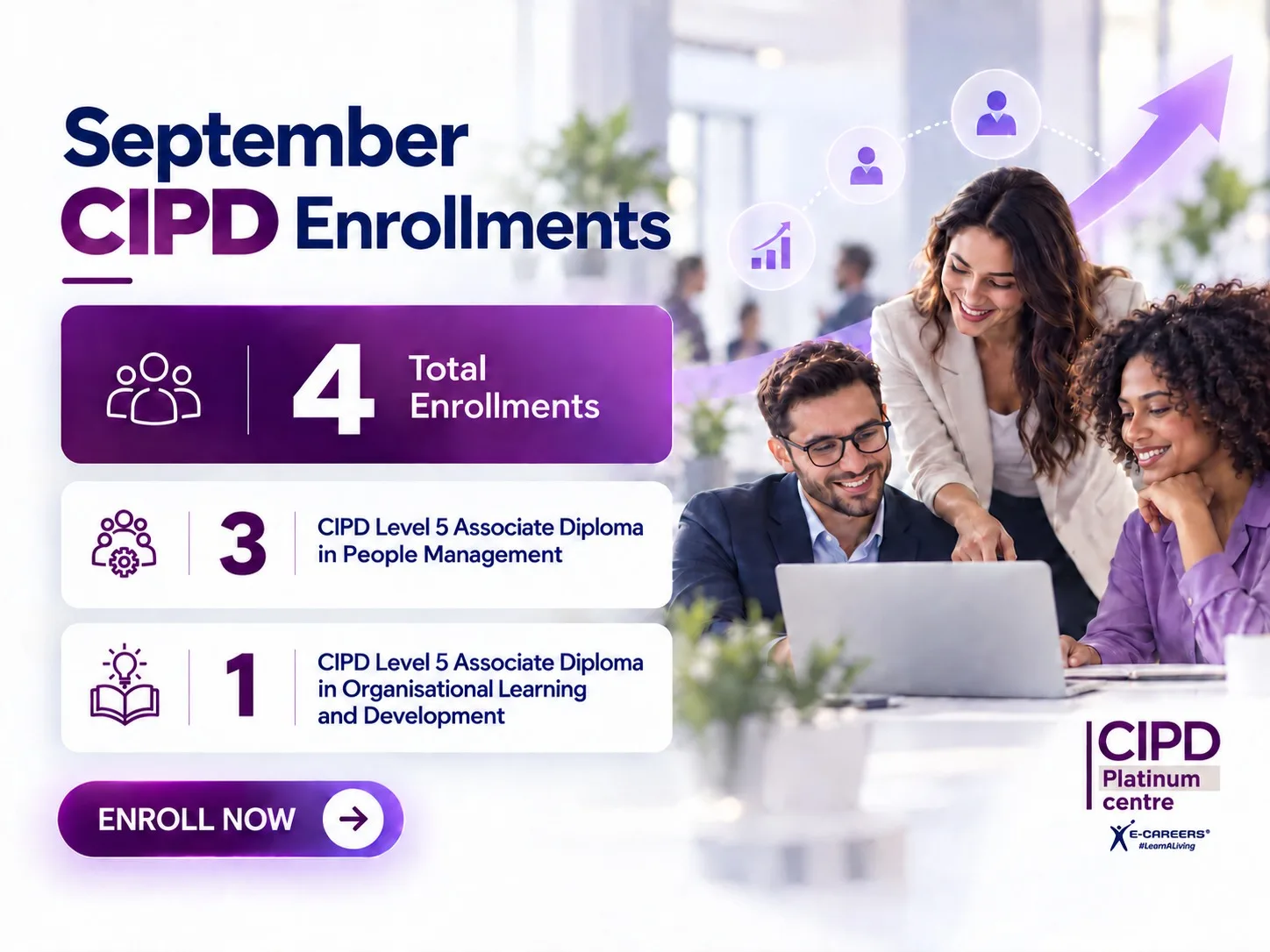
4 HR Professionals Chose CIPD Level 5 in September
Four professionals begin their CIPD journey: 3 choose People Management, and 1 chooses Organizational Learning & Development.
-
 TrainPoint Institute News
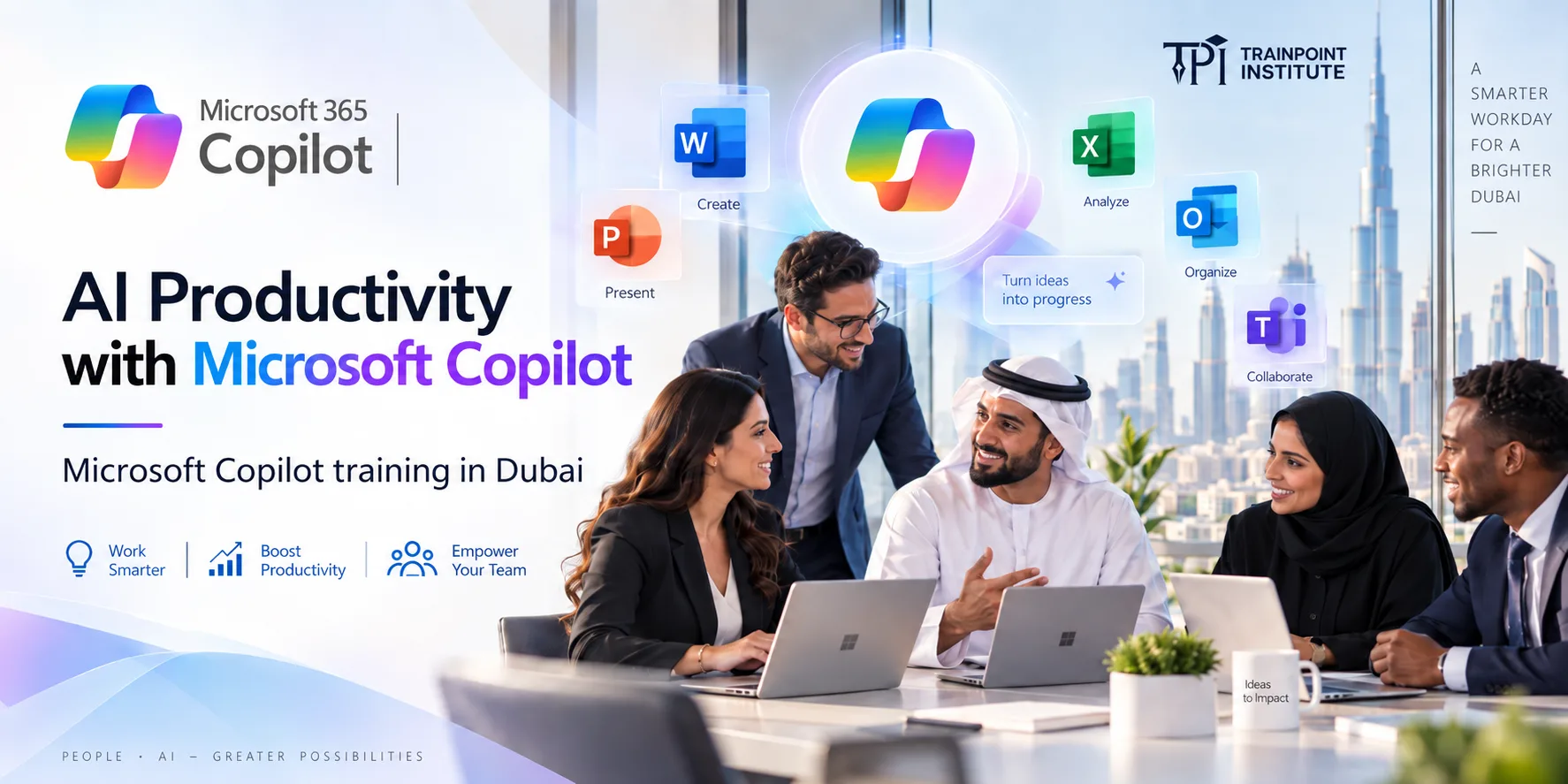
Boosting Corporate Productivity with Microsoft Copilot
Microsoft Copilot Training in Dubai helps corporate teams improve productivity, automate tasks, and use Copilot effectively across Microsoft 365.
-
 TrainPoint Institute News
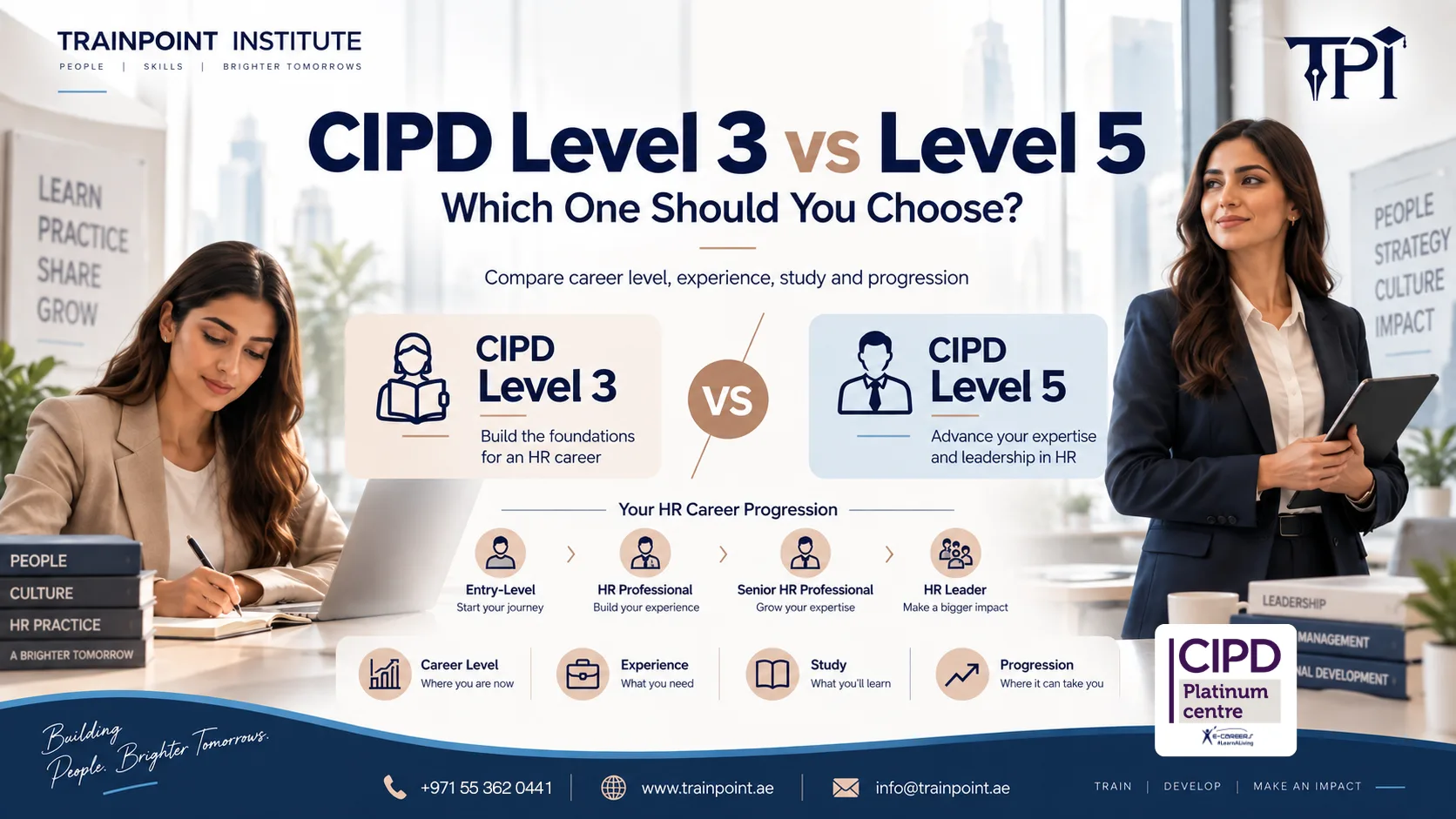
CIPD Level 3 vs Level 5: Which One Should You Choose?
Choosing between CIPD Level 3 and Level 5? Compare entry requirements, career goals, study depth, and membership outcomes to find the right HR qualification.